

How to Spot the Symptoms of Plantar Fasciitis in Your Feet
Plantar fasciitis is a common foot condition that causes pain in the heel and arch, often felt most intensely in the morning. Individuals may experience sharp, stabbing pain, especially when taking the first few steps out of bed. If you’re experiencing these symptoms, it’s important to consult a foot specialist like Dr. Nathan Plaskey at Arizona Foot and Ankle Physicians. His team provides comprehensive evaluations and personalized treatment plans to alleviate pain, improve mobility, and get you back to your daily activities. With a focus on non-invasive methods, we ensure that each patient receives the best care suited to their individual needs. For more information, contact us or request an appointment online. We are conveniently located at 11390 E. Via Linda, Ste 102, Scottsdale, AZ 85259.
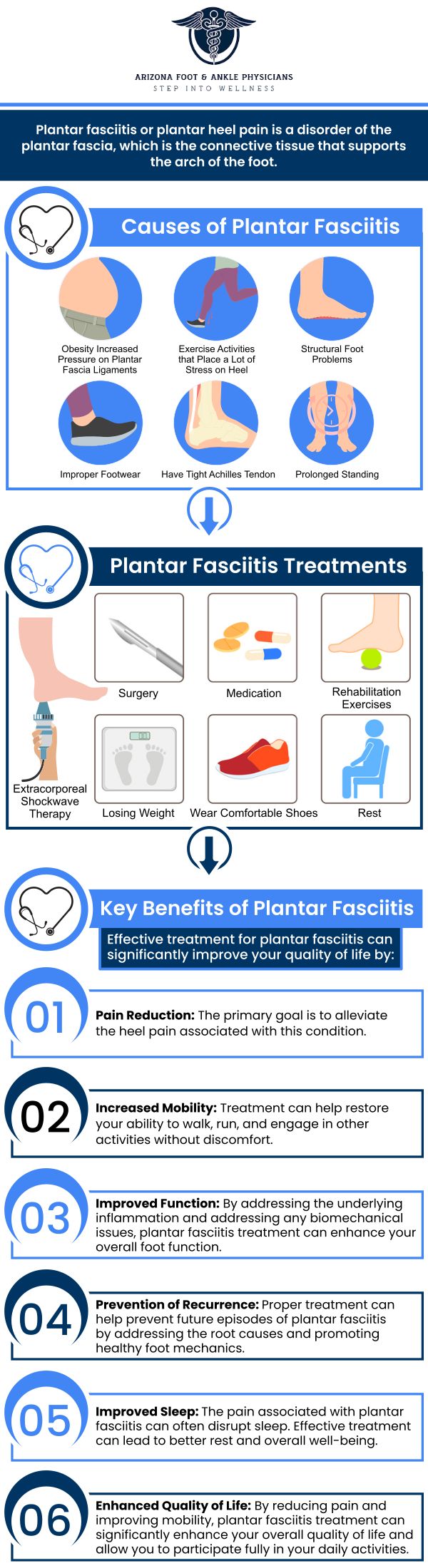
Table of Contents:
What are the main symptoms of plantar fasciitis?
How can I tell if I have plantar fasciitis or another type of foot pain?
Can plantar fasciitis cause pain in the arch of the foot?
What makes plantar fasciitis pain worse?
Why Choose Dr. Nathan Plaskey for Treating Plantar Fasciitis in Scottsdale, AZ?
At Arizona Foot and Ankle Physicians, we frequently help patients who are suffering from plantar fasciitis—a common cause of heel pain. Plantar fasciitis is characterized by several distinct symptoms that can help identify the condition. Here are the most common signs to watch for:
• Heel Pain: A sharp, stabbing pain in the heel, especially when taking the first few steps after waking up or after sitting for a long period.
• Pain in the Arch: Discomfort along the bottom of the foot, particularly in the arch, can also occur.
• Pain after Activity: The pain often worsens after prolonged standing, walking, or physical activities, especially those that put strain on the feet.
• Morning Stiffness: Many individuals experience tightness and pain in the heel and arch in the morning or after periods of inactivity.
• Pain Relief with Rest: The pain usually improves after resting or sitting down, but may return after walking or standing for extended periods.
• Tenderness: The heel may feel tender to the touch, especially around the bottom of the foot near the heel.
• Swelling: In some cases, mild swelling can occur in the heel area.
Our foot and ankle specialists at Arizona Foot and Ankle Physicians also see patients with tenderness, mild swelling, and a feeling of tightness or stiffness along the arch. Notably, the pain tends to worsen after exercise rather than during it. If you’re experiencing these symptoms, our experienced team can provide a thorough evaluation and develop a personalized treatment plan to relieve your discomfort and restore your mobility.
Heel pain is a common complaint among our patients at Arizona Foot and Ankle Physicians. While plantar fasciitis is frequently the culprit, several other foot and ankle conditions can cause similar discomfort. If you’re experiencing foot pain but aren’t sure whether it’s plantar fasciitis or another condition, understanding the specific symptoms and patterns of pain can help you differentiate between the two. Here are key indicators to look out for:
• Heel Pain: Plantar fasciitis often causes sharp, stabbing pain in the heel, especially with the first few steps after waking up or after long periods of rest.
• Pain Location: The pain is typically felt at the bottom of the heel or along the arch of the foot, which distinguishes it from other foot conditions that might cause pain in different areas.
• Pain after Activity: While the pain is usually worst in the morning, it can also worsen after prolonged standing, walking, or exercise, particularly after activities that strain the feet.
• Pain Relief with Rest: Plantar fasciitis pain generally improves with rest, but it may return after standing or walking for extended periods.
• Stiffness: Many people with plantar fasciitis experience stiffness in the heel or arch, particularly in the morning, that eases with movement.
• Other Foot Pain Symptoms: If you experience swelling, redness, or numbness, or if the pain doesn’t respond to rest, it could indicate a different foot condition, such as arthritis or a stress fracture.
• Duration of Pain: Plantar fasciitis pain often lasts for several weeks or longer, while other conditions, such as Achilles tendonitis, may present differently in terms of location and intensity.
If you have persistent or severe heel pain—especially if it is accompanied by swelling, redness, numbness, or difficulty bearing weight—it’s important to seek professional evaluation. At Arizona Foot and Ankle Physicians, our board-certified foot and ankle specialists will perform a thorough physical examination, review your medical history, and may recommend imaging studies to accurately diagnose the source of your pain. We’ll work with you to develop a personalized treatment plan to get you back on your feet.
Plantar fasciitis is a common condition that often leads to pain in the arch of the foot. The plantar fascia is a thick band of tissue that runs along the bottom of your foot, connecting your heel bone to your toes. When this tissue becomes inflamed or irritated, it can result in discomfort or pain, particularly in the area of the arch. This pain may be most noticeable with the first steps in the morning or after periods of inactivity. While plantar fasciitis can also cause pain in the heel, experiencing pain in the arch is a well-recognized symptom of this condition.
At Arizona Foot and Ankle Physicians, our experienced podiatrists specialize in diagnosing and treating plantar fasciitis and other causes of arch pain. If you are experiencing persistent discomfort—especially if it is worse after rest or prolonged standing—our team can provide a thorough evaluation to identify the underlying cause. We offer personalized treatment plans ranging from conservative therapies to advanced interventions, all tailored to help you get back on your feet comfortably. Early diagnosis and expert care are essential for effective relief and long-term foot health.
At Arizona Foot and Ankle Physicians, we frequently see patients whose plantar fasciitis pain intensifies due to a variety of daily habits, footwear choices, and underlying health factors. Prolonged standing or walking—especially on hard surfaces—can aggravate discomfort by placing repeated stress on the plantar fascia without adequate recovery time. High-impact activities like running or jumping, especially when started abruptly or without proper preparation, are common triggers for increased pain.
Footwear plays a crucial role in either alleviating or worsening plantar fasciitis. Shoes lacking proper arch support, cushioning, or with worn-out soles do not absorb shock or distribute pressure effectively, placing extra strain on the plantar fascia. Similarly, walking barefoot on hard surfaces can elevate discomfort, as it fails to provide the essential support your foot needs. Rapid changes in physical activity, such as suddenly increasing your running distance or intensity, can overload the plantar fascia, leading to flare-ups. Tight calf muscles or Achilles tendons are often contributing factors, as they increase tension on the heel and arch, amplifying pain.
Excess body weight is another significant factor, as it puts additional pressure on the feet with every step. Resuming vigorous activities before the plantar fascia has fully healed can also trigger recurring pain and slow your recovery. Ignoring early symptoms or neglecting to rest and modify activities may lead to chronic discomfort and more serious complications.
At Arizona Foot and Ankle Physicians, we emphasize the importance of recognizing and addressing these contributing factors to effectively manage plantar fasciitis and prevent further aggravation. If your foot pain persists or worsens, our experienced team is here to provide a thorough evaluation, rule out more serious conditions, and develop a personalized treatment plan to help you return to pain-free activity as quickly as possible.
Dr. Nathan Plaskey is a board-certified podiatrist with extensive training in foot and ankle care for all ages. With years of experience specializing in conditions like plantar fasciitis, Dr. Plaskey offers a comprehensive and compassionate approach to treatment. His expertise ensures accurate diagnosis and tailored treatment plans to address each patient’s unique needs, whether through conservative methods like physical therapy and custom orthotics or advanced minimally invasive procedures.
At Arizona Foot and Ankle Physicians, Dr. Plaskey and his team are committed to delivering the highest quality of care. They focus on early intervention to help prevent long-term complications and promote quicker recovery. By choosing Dr. Plaskey, patients can trust they are in the hands of a dedicated expert with a patient-centered approach, focused on providing lasting relief from plantar fasciitis and improving overall foot health.
For more information, contact us or request an appointment online. We are conveniently located at 11390 E. Via Linda, Ste 102, Scottsdale, AZ 85259. We serve patients from Scottsdale AZ, Fountain Hills AZ, Paradise Valley AZ, Carefree AZ, Rio Verde AZ, and surrounding areas.
Check Out Our 5 Star Reviews


ADDITIONAL SERVICES YOU MAY NEED
• Diabetic Foot Care
• Fungal Nails
• Heel Pain
• Bunions
• Ingrown Toenail
• Achilles Tendon
• Ankle Sprains
• Arthritis Foot
• Athlete’s Foot
• Corns And Calluses
• Crush Injury
• Flat Feet
• Geriatric Foot Care
• Hammertoes

ADDITIONAL SERVICES YOU MAY NEED
• Diabetic Foot Care
• Fungal Nails
• Heel Pain
• Bunions
• Ingrown Toenail
• Achilles Tendon
• Ankle Sprains
• Arthritis Foot
• Athlete’s Foot
• Corns And Calluses
• Crush Injury
• Flat Feet
• Geriatric Foot Care
• Hammertoes


 Send Text
 How May I Help You?